
Ferry to Morocco
Barcelona - Nador
Sail from Catalonia to Morocco’s Mediterranean coast with your car and a cabin.
- Sail to Nador with GNV
- Cabins for your night on board
- Vehicles welcome
Route guide
Barcelona - Nador ferry at a glance
Table of Contents
Everything about the Barcelona - Nador route with GNV: getting to the ferry terminal at Moll de Sant Bertran, check-in and travel documents, life on board during the overnight crossing, vehicle and pet rules, and arrival at the port of Beni Ensar.
Getting to the terminal in Barcelona
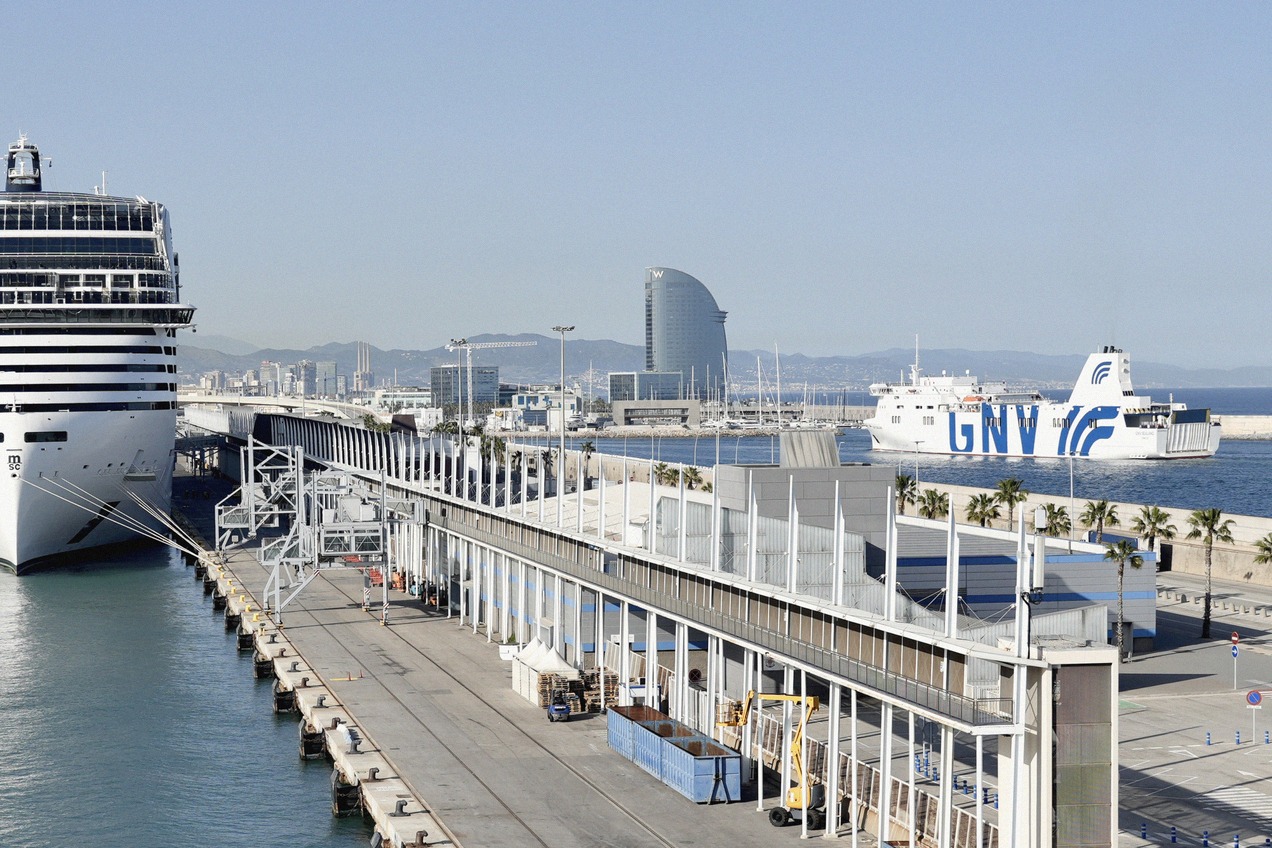
GNV departs from the Ferry Barcelona terminal at Moll de Sant Bertran 3, in the Sants-Montjuïc district and just around three kilometres from the Rambla. By car you reach the port via the Ronda Litoral (B-10); guarded car parks such as the World Trade Center or Parking Moll de la Costa also offer long-stay rates. Without a vehicle, take Metro line L3 to Drassanes or buses 59 and D20; from El Prat Airport the Rodalies R2 Sud line runs into the city, and by taxi you'll reach the terminal in 20 to 25 minutes. The GNV counters at the terminal open from 09:00 to 18:00 on weekdays; for departures at weekends or at night they open four hours before departure.
Check-in and travel documents
For the Morocco routes, GNV recommends being at the terminal in Barcelona at least four hours before departure with a vehicle, since passport and vehicle checks come before boarding. At the counter you show your ticket, on paper or smartphone, and the ID of everyone travelling, including children. You need a valid passport for Morocco, an ID card is not enough; EU nationals can enter for stays of up to 90 days without a visa. Drivers should keep their driving licence and vehicle registration document ready, and for a vehicle not registered in their own name, GNV requires a certified power of attorney. Vehicles running on LPG must be reported to staff when boarding.
On board
The line is served by ships of the Excellent class, including Excellent, Excelsior, Fantastic and Majestic, as well as the GNV Cristal. For the night on board you choose between inside and outside cabins, suites and cheaper reclining seats. Catering is provided in the à la carte restaurant, the self-service restaurant, the pizzeria and at the bars; halal dishes and children's menus are on offer, along with a prayer room, children's areas, onboard shops and the Sea-Fi Wi-Fi. Payment on board is in euros; you'll only need Moroccan dirham after arrival.
Vehicle, bicycle and pet
Cars, motorbikes and motorhomes travel on the car deck; the larger the vehicle, the higher the fare, so give the correct dimensions when booking. Your boarding card shows where your vehicle is parked on the car deck - the deck stays closed during the crossing. What you need for the temporary import of a vehicle into Morocco is covered in the Motorhome guide. Pets are welcome: GNV runs daily-disinfected pet cabins and exercise areas on deck; lead and muzzle rules apply in communal areas. Bring the pet passport and vaccination records; the entry rules are summarised in the Dog & Pet guide.
Arrival in Nador and onward travel
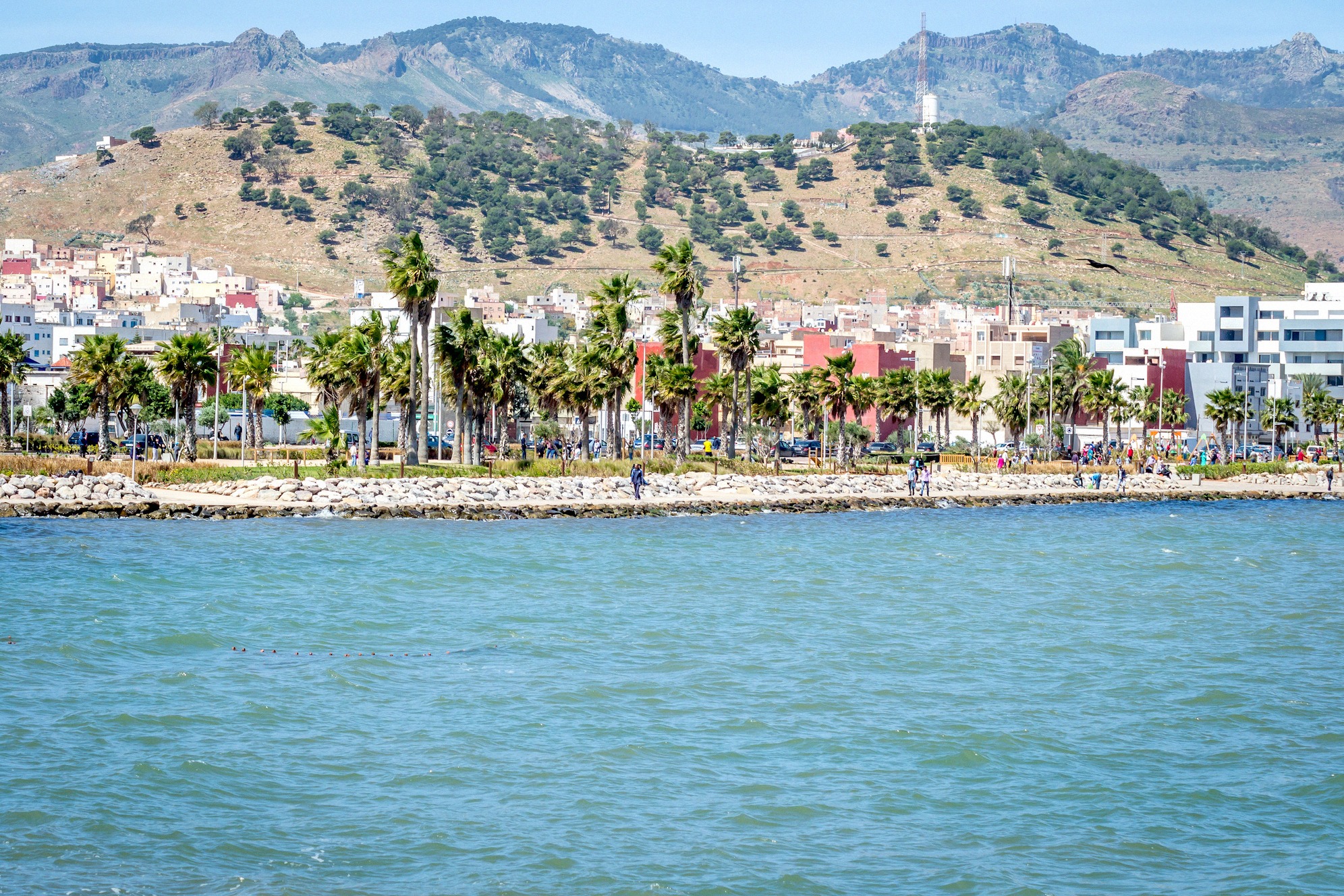
The ferry docks at the port of Beni Ensar (Route de Port, Beni-Enzar), around 13 kilometres from the centre of Nador and connected via the N15 national road. After customs and passport control, taxis and bus lines take you into the city or to Nador-Al Aroui Airport; if you're continuing by vehicle, you're straight onto the Moroccan road network. Beni Ensar sits right at the border crossing to the Spanish exclave of Melilla. For the return crossing, GNV check-in in Nador opens nine hours before departure and closes four hours before.
Tickets and fares
GNV offers refundable and cheaper, non-refundable fares. Changing the date, accommodation or number of passengers is possible against the price difference; a return ticket booked together can only be changed as a whole. Cancellation fees rise in steps the closer you get to departure; from six days before departure there's no refund at all. The cheapest way to travel is to book early and outside the summer holidays; the booking window shows the current prices for your date, and the price overview gives an outline.
Barcelona - Nador
From Catalonia to the Rif coast in one night
The Barcelona - Nador route connects Catalonia directly with eastern Morocco: from the terminal at Moll de Sant Bertran, it crosses the western Mediterranean to the port of Beni Ensar near Nador. GNV (Grandi Navi Veloci) has operated the line since 2017 with about one departure a week, and between June and September the company increases the frequency for summer travellers.
The crossing takes around 27 to 31 hours depending on the ship and weather, so you spend one night on board - a cabin is worth booking. On board there are restaurants with halal options, a prayer room, Wi-Fi and areas for children. Nador sits right on the border with Melilla and is your starting point for the Rif and the Mediterranean coast.
- Crossing
- around 27-31 hrs
- Ferry company
- GNV
- Frequency
- about 1x per week
- From price
- €84
Next departures
FAQ Barcelona - Nador
Frequently asked questions
Questions and answers about the Barcelona - Nador ferry route
How long is the ferry from Barcelona to Nador? +
GNV states between 27 and around 30.5 hours for the outward crossing; the return, Nador - Barcelona, takes a little longer at 28.75 to 31 hours. The exact crossing time depends on the ship deployed, the weather and port operations. Either way, one night lies between departure and arrival.
How often does the ferry run and which company operates the route? +
The route is served exclusively by GNV (Grandi Navi Veloci), usually once a week. Between June and September, when many families set off on their summer trip to Morocco, GNV increases the frequency. The specific dates for your travel date are shown in the timetable.
What does the ferry from Barcelona to Nador cost? +
The price depends on season, cabin category and vehicle. As a foot passenger with a reclining seat you pay considerably less than with a car and outside cabin, and the summer months cost more than autumn and winter. Booking early secures the cheaper allocations. The current entry-level price for your date is shown in the booking window, and the price overview gives an indication.
Do I need a cabin for the crossing? +
Yes. GNV offers inside and outside cabins, suites and reclining seats. Since the crossing takes one night, a cabin is the most comfortable option; the reclining seat is the budget alternative. You choose your accommodation directly when booking.
What documents do I need for the crossing to Morocco? +
You need a valid passport - an ID card is not enough for Morocco, even for EU citizens. EU nationals, including travellers from Spain, France and Italy, can enter for tourist stays of up to 90 days without a visa; your passport should still be valid for at least six months on entry. For the vehicle, keep your driving licence and registration document ready, and for a vehicle registered to someone else, a certified power of attorney as well.
Can I bring my car or motorhome? +
Yes, cars, motorbikes and motorhomes travel on the car deck. Give the exact dimensions when booking, since they determine the fare. The car deck stays closed during the crossing, so take everything you need up with you. If you're travelling by camper, you'll find details on entering with a vehicle in the guide Travelling to Morocco by motorhome.
Can my dog or cat come on board? +
Yes. GNV offers pet-friendly cabins and designated exercise areas on deck; without a pet cabin, your pet travels in the dog and cat areas on board. Bring the pet passport, lead and muzzle. What Morocco requires in terms of vaccinations and documents is covered in the guide Travelling to Morocco with a dog.