
Ferry to Ceuta
Algeciras - Ceuta
The fastest link from mainland Spain to North Africa - around 60 minutes across the Strait of Gibraltar
- Up to 24 daily departures with Baleària, FRS/DFDS and Naviera Armas
- Fast ferry in around 1 hour across the Strait of Gibraltar
- Ceuta is Spanish - no Moroccan border control on board
Route guide
Ferry Algeciras - Ceuta at a glance
Table of Contents
Everything about the Algeciras - Ceuta ferry with Baleària, FRS/DFDS and Naviera Armas: getting to the port of Algeciras, check-in times for the three operators, onboard facilities, vehicle and pet rules, and the special status of the Spanish exclave of Ceuta, plus onward travel into Morocco.
Getting to the terminal in Algeciras
All three operators depart from the Estación Marítima at the port of Algeciras. By car, you reach the port via the A-7 (E-15) motorway from Málaga and the Costa del Sol, or via the N-340 from Tarifa and Cádiz. Once in town, follow the signs for Puerto or Estación Marítima, or "Ferris a Ceuta y Tánger Med". Two public car parks are available right at the port, one covered in front of the piers and one open-air next to the Estación Marítima. Foot passengers also check in at the Estación Marítima, which is central and within walking distance of the train station.
Check-in and documents
Check-in deadlines vary by operator. With Baleària and Naviera Armas, arrive at the terminal at least 60 minutes before departure with a vehicle, or around 30 minutes on foot; FRS/DFDS recommends arriving 90 minutes before departure. In peak season and at weekends, build in extra time. Because Ceuta is part of Spain, you are travelling within Spain: EU citizens just need a valid national ID card or passport, and there is no Moroccan border control on board.
On board
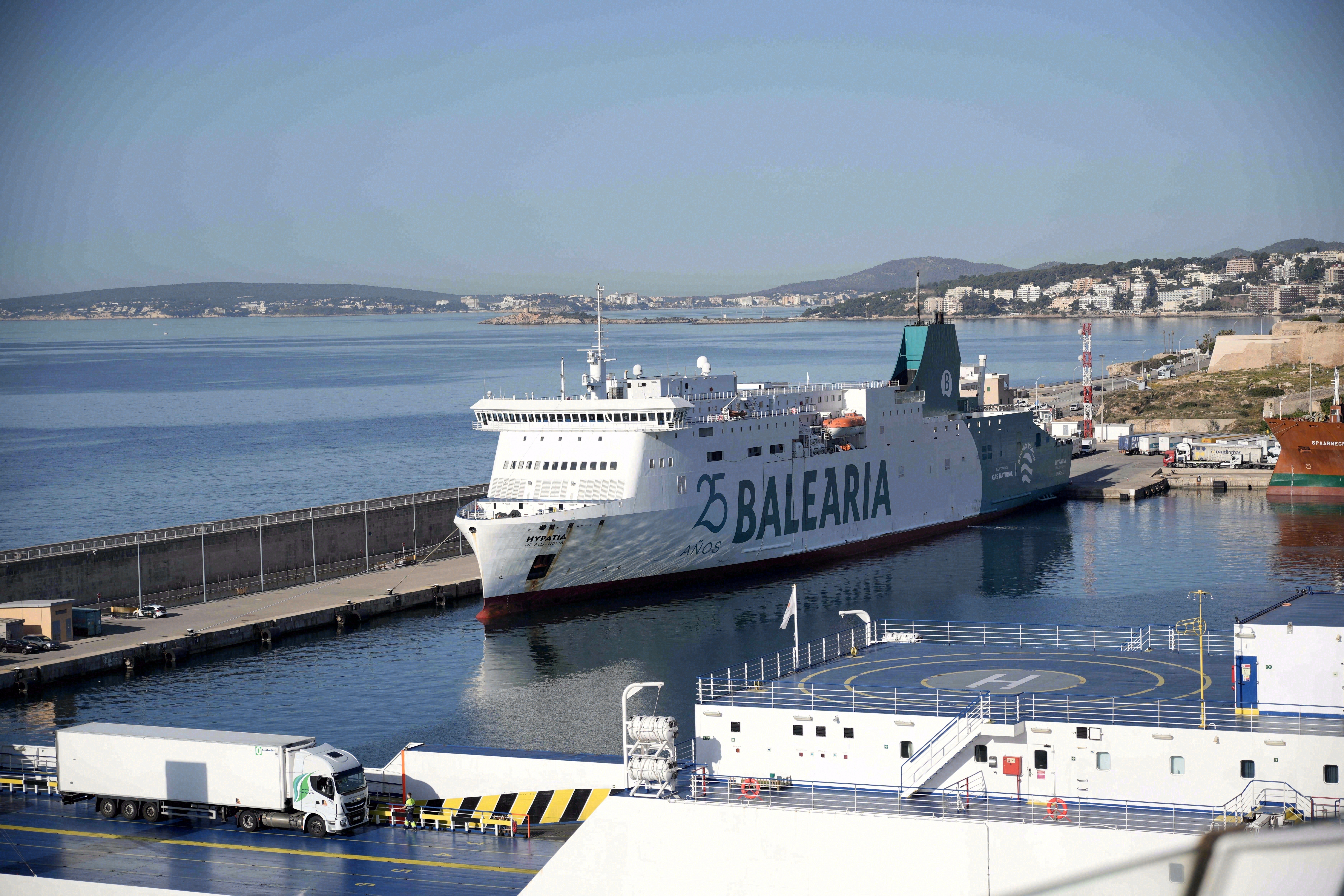
Modern fast ferries run on this short crossing, including Baleària's Cecilia Payne, FRS/DFDS's Ceuta Jet and Naviera Armas's Ciudad de Ceuta. For the roughly one-hour crossing, you will not need a cabin; on board you will find seating areas in tourist and premium/business class, a cafeteria or café-bar (with halal options on FRS/DFDS and gluten-free options on Naviera Armas), and an onboard or duty-free shop. Payment is in euros, since Ceuta is Spanish, so you will not need any foreign currency for the crossing.
Vehicles, bikes and pets
All three operators carry cars, motorbikes, motorhomes and bicycles; enter your vehicle's dimensions correctly when booking, since the fare depends on length. Pets are allowed on all routes but must be registered when booking, and need a valid EU pet passport with microchip and rabies vaccination. Baleària has designated pet areas, FRS/DFDS's Ceuta Jet has its own onboard pet area, and with Naviera Armas pets travel in a secure carrier (max. 60 x 40 x 30 cm) or, where available, in the dedicated "casitas de calma" pet cabins.
Arrival in Ceuta and onward travel to Morocco
Ceuta's ferry port is only around a five-minute drive from the city centre and about four kilometres from the Moroccan border. Ceuta is a Spanish autonomous city and part of the Schengen area, so the ferry itself involves no Moroccan entry control. If you want to continue into Morocco, you cross the land border at El Tarajal (known in Morocco as Bab Sebta) near Fnideq, where you will need a passport valid for at least three more months. Crossing on foot is usually noticeably quicker than by car. From Fnideq, you can reach Tétouan and Tangier by taxi or bus.
Tickets and fares
With three operators running the route in parallel, you can compare departure times and prices freely. Alongside the standard fare, the operators offer upgrade options such as premium or business class with larger seats and extra comfort. Foot passengers pay considerably less than travellers with a vehicle, and booking early usually secures the best fares, especially in peak season from June to September and at weekends. The booking window will show current prices for your travel date.
Strait of Gibraltar
From Europe to North Africa in an hour
The Algeciras - Ceuta route is the fastest link from mainland Spain to North Africa: the fast ferry crosses the Strait of Gibraltar in around an hour. Three operators run the route - Baleària, FRS/DFDS and Naviera Armas - together offering up to 24 daily departures, so you can pick whichever departure time and operator suits you.
On board fast ferries such as the Cecilia Payne, the Ceuta Jet or the Ciudad de Ceuta, you will find seating areas, a cafeteria and an onboard shop. Because Ceuta is a Spanish autonomous city, you are travelling within Spain: there is no Moroccan border control on board, and you pay in euros. If you are continuing on to Morocco, you cross the border at the land crossing near Ceuta.
- Crossing time
- approx. 1 hr
- Operators
- Baleària, FRS/DFDS, Armas
- Frequency
- up to 24x daily
- From price
- €36
- Balearia
- DFDS
- Naviera Armas
Next departures
FAQ Algeciras - Ceuta
Frequently asked questions
Questions and answers about the Algeciras - Ceuta ferry route
How long does the ferry from Algeciras to Ceuta take? +
On the fast ferry, the crossing from Algeciras to Ceuta takes around 1 hour. If an operator uses a conventional ferry, allow around 1 hour 30 minutes instead. The exact crossing time depends on the vessel, operator and weather.
Which operators run from Algeciras to Ceuta, and how often? +
Three operators run the route - Baleària, FRS/DFDS and Naviera Armas. Together they offer up to 24 departures a day, spread across the whole day. The first ferry leaves in the early morning and the last one late in the evening. You will find the current day's timetable on our timetable page.
Do I need a passport to cross to Ceuta? +
Ceuta is a Spanish autonomous city and part of the Schengen area. On the ferry you are therefore travelling within Spain, and there is no Moroccan border control on board - EU citizens just need a valid national ID card or passport. If you want to continue on into Morocco, you cross the land border at El Tarajal (known in Morocco as Bab Sebta) near Fnideq, where you will need a passport valid for at least three more months.
How early should I arrive at the port in Algeciras? +
It depends on the operator. With Baleària and Naviera Armas, arrive at the terminal at least 60 minutes before departure with a vehicle, or around 30 minutes on foot. FRS/DFDS recommends arriving 90 minutes before departure. In peak season and at weekends, allow extra time.
Can I bring my car on the ferry? +
Yes, all three operators carry cars, motorbikes, motorhomes and bicycles. Enter your vehicle's dimensions correctly when booking, since the fare depends on length and space is limited, especially in peak season. It is best to book early to secure a spot.
Can I bring my pet on the ferry? +
Yes, pets are allowed on all three operators, but must be registered when booking. A valid EU pet passport with microchip and rabies vaccination is required. Baleària has designated pet areas, FRS/DFDS's Ceuta Jet has its own pet area on board, and with Naviera Armas pets travel in a secure carrier (max. 60 x 40 x 30 cm) or in the dedicated pet cabins, where available. For what Morocco requires on entry, see our guide to travelling with a dog to Morocco.